

How to Sell a Vacant Home in Northeast OH
Selling a house that has been vacant for years can feel very different from selling a typical occupied home. Abandoned, long-vacant homes often come with extra concerns: deferred maintenance, disconnected utilities, insurance issues, code violations, water damage, and vandalism.
Because we buy vacant and abandoned homes throughout Northeast Ohio, we often see the same issues come up. Utilities may have been disconnected. Gas, electric, and water meters may have been removed. Pipes may have frozen and cracked, copper pipes may have been removed or stolen. Grass may be overgrown. The city may have issued exterior-maintenance notices or other violation letters.
This guide is for homeowners in Northeast Ohio who own a house that has been sitting empty and are trying to decide whether to repair it, list it, or sell it as-is.
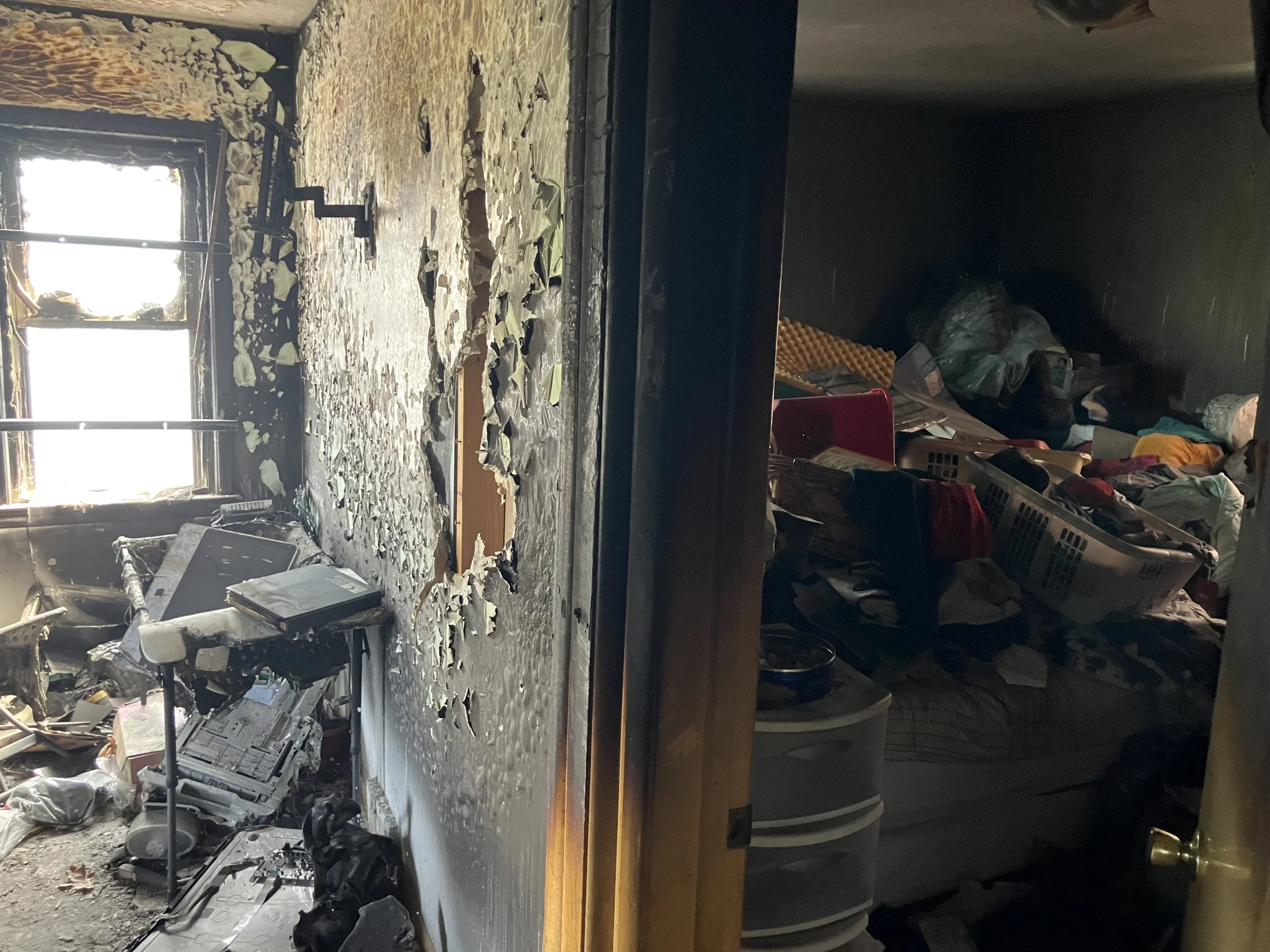
Example of a vacant, fire-damaged home we’ve bought.
The Short Answer
If the home is in decent shape, safe and accessible, and the utilities are on, you may be able to sell it traditionally to a buyer using financing.
If the utilities are off, meters have been removed, the home is unsafe, or the property needs major repairs, a traditional sale may be harder. The buyer or the buyer’s lender may require repairs or further inspections before closing.
In that situation, the homeowner should compare the cost, time, and uncertainty of repairs against the option of selling the home as-is to a cash buyer.
Common Concerns With Long-Vacant Homes
When a home sits empty for a long period of time, small issues can become bigger ones. A broken furnace or lack of heat can cause pipes to freeze and crack during Ohio winters. A small roof leak can turn into ceiling damage. Unused HVAC systems, appliances, sump pumps, and water heaters may stop working properly. Landscaping may become overgrown and attract pests. The home may begin to look neglected from the outside, which can lead to neighbor complaints or citations from the city.
Even if the home is structurally sound, traditional buyers may worry about hidden problems. They may ask:
Has the home been winterized?
Are the utilities still on?
Is there water damage?
Are there pest issues?
Has anyone broken in?
Will the city or my lender require repairs before the sale?
Can the home qualify for a mortgage?
These concerns can make buyers more cautious, especially if the property needs work before someone can comfortably move in.
Make Sure the Property Is Insured
Many homeowners assume their regular homeowners insurance policy still covers the vacant property the same way it did when someone lived there. That is not always true.
Many insurance policies have vacancy rules. If a home has been empty for too long, the insurance company may limit coverage or deny certain claims. The exact timeline depends on the policy, but some policies treat a home differently after it has been vacant for 30 or 60 days.
It is worth checking the policy documents and contacting the insurance agent or carrier directly to make sure the vacant property is properly insured.
Many insurance carriers will not insure long-vacant or abandoned homes that have substantial deferred maintenance, prior fires, etc. We have been able to get coverage for property with substantial deferred maintenance from Modern American (https://policyholders.amig.com/content/munichre/amiggrp/policy-holder/storefront/en/landing-page.html)
Homeowners that can’t get insurance from another carrier may be able to obtain coverage through what are sometimes referred to as the “insurers of last resort” i.e. Ohio FAIR Plan. Insurers of last resort typically provide much more limited coverage than traditional carriers that may be adjusted as the property undergoes repairs.
Understand the Home’s Current Condition
Before deciding how to sell, it helps to get a realistic picture of the property.
Before entering a home that has been vacant for a long time, use caution. Do not enter if you see signs of structural movement, collapsed walls, collapsed ceilings, roof failure, strong gas odors, or evidence that someone may be inside.
If it is safe, walk through the home carefully, or have someone you trust do it if you live out of town. Look for:
Whether the utilities are on
Signs of roof leaks
Basement moisture
Plumbing leaks or cracked pipes
Broken windows
Pest activity
Damaged flooring
Signs of vandalism or break-ins
Whether the furnace, water heater, electrical system, plumbing, and other mechanical systems appear to be working
Understanding the condition of the property is important because it may affect how the property can be sold.
If the homeowner wants to sell to a traditional buyer, meaning a buyer who will obtain financing from a lender, the home usually needs to meet the lender’s property-condition requirements. The rule of thumb is “ugly, not broken.” The house does not have to be updated or perfect, but it generally needs to be safe, accessible, and capable of being inspected and appraised.
If utilities are off, HVAC, electrical, or plumbing systems cannot be tested, or there are safety, habitability, or structural issues, the buyer’s financing may become more difficult. FHA and VA buyers may have even stricter repair and condition requirements.
Cash buyers, by contrast, may buy homes that many traditional lenders would not finance, including homes without working utilities, homes needing major repairs, or homes with habitability issues.
Check for City Violations or Point-of-Sale Requirements
Many municipalities in Northeast Ohio have point-of-sale inspection requirements. Some cities may also have requirements related to sewer-dye testing and the condition of the sidewalk and driveway apron.
Before deciding how to sell, homeowners should check whether the property has open violations or local requirements that may affect the sale. The best place to start is usually the building and housing department in the municipality where the home is located.
Your Main Options for Selling an Abandoned Home
There is no single right way to sell a long-vacant house. The best option depends on the condition of the home, the homeowner’s timeline, and the cost of repairs.
If the house is in good condition, the utilities are on, and you have the time and money to prepare it for the market, listing with an agent may make sense.
If the home needs repairs but you want broader market exposure, listing the property as-is with a realtor may be worth considering, but the homeowner will usually have to pay realtor commissions.
If the house needs significant work or you want a simpler process and want to avoid paying realtor commissions, selling directly to a local cash buyer like LP Property Group may be a better fit.
The right choice depends on the home’s condition, your timeline, your budget, and how much uncertainty you are willing to manage.
Get Multiple Quotes for Repairs
If you decide to repair the home before listing it, focus first on the repairs that are most likely to affect whether a traditional buyer can actually purchase the property.
A traditional buyer using a mortgage will usually need the home to meet the lender’s property-condition requirements. That does not mean the home has to be fully renovated, but it generally needs to be safe, accessible, and capable of being inspected and appraised.
Homeowners should identify the issues that could cause a buyer’s lender or inspector to raise concerns. These may include:
Disconnected utilities
Roof leaks
Active water damage
Plumbing problems
Unsafe electrical conditions
Broken windows
Non-working heating systems
Major structural problems
Homeowners should consider getting multiple quotes from the appropriate professionals, such as electricians, plumbers, HVAC technicians, roofers, handymen, pest-control companies, or general contractors.
In our experience, if the goal is to save money on repairs, it can be more cost-effective to hire trades directly instead of hiring a general contractor to coordinate all of the work. However, coordinating different trades can be challenging, especially if the homeowner lives out of town or the house needs several types of repairs.
When evaluating contractors, homeowners should look at reviews, ask for proof of insurance, confirm licensing where applicable, and get the estimate and scope of work in writing.
Once the homeowner has repair estimates, they can make a more informed decision. They may decide to complete the repairs and list the home on the open market. They may decide to complete only the most important repairs. They may decide to do a larger renovation to try to get top dollar on the sale. Or they may decide that the cost, time, and uncertainty are not worth it and that selling the home as-is to a cash buyer is the better option.
LP Property Group buys homes that are difficult or impossible to finance traditionally, including properties without utilities, major deferred maintenance, structural concerns, or unsafe conditions.
If You Want Traditional Buyers, Try to Get the Utilities Back On
If you decide to market the home to traditional buyers, the utilities should generally be on, and the exterior and interior of the home should be accessible.
Not having utilities on can make the home difficult to finance and challenging to inspect. Traditional buyers will typically hire inspectors who need to test the home’s plumbing, electrical, HVAC, water heater, appliances, sump pump, and other systems. If the utilities are not on, or if parts of the home are inaccessible, those inspections may not be completed to the buyer’s satisfaction.
The buyer’s appraiser may also be unable to confirm the condition of key systems. That can create delays, additional inspection requirements, repair requests, or financing problems.
Restoring Electric Service
FirstEnergy is typically the provider of electric service to homes in Northeast Ohio, although homeowners should confirm the provider for the specific property.
If the electrical meter has been removed, the homeowner will need to contact FirstEnergy and submit a request to have the home reenergized. FirstEnergy’s service-request information is available here:
https://www.firstenergycorp.com/service_requests/construction-and-renovation.html
Some information required by the application may require an electrician’s input. FirstEnergy will provide a work order number to reference in the future.
In Northeast Ohio, to have a home reenergized after the meter has been removed, a licensed electrician may need to inspect the electrical components of the home, including the main service, grounding, panel, terminations, and branch circuits. The electrician may then need to prepare a letter certifying that the necessary electrical components have been inspected and that the home is safe and ready to be reenergized.
That letter should usually be on the electrician’s letterhead, list the electrician’s license number, and include the work order number provided by FirstEnergy.
Depending on the municipality, the electrician’s letter may be submitted to the local building or housing department for review, which then submits it to FirstEnergy, or it may be submitted directly to FirstEnergy. Some municipalities may require the electrical components to be inspected by their building inspector instead of a private licensed electrician.
If the electrical meter has not been removed, starting electric service is much simpler. Just call FirstEnergy and ask to start service. Even then, it is a good idea to have an electrician inspect the property before power is restored.
Restoring Gas Service
Enbridge Gas is the main gas service provider for homes in Northeast Ohio, although homeowners should confirm the provider for the specific property.
If there is no gas meter present, the homeowner should contact Enbridge Gas Ohio and ask how the property should be handled. Enbridge identifies its Construction Support Team as the contact point when no meter is present. The homeowner can contact the Construction Support Team at:
1-888-619-0786
Enbridge’s Ohio service information is available here:
https://www.enbridgegas.com/ohio/start-stop-service/start-service
When no meter is present, Enbridge typically requires the homeowner to submit an application online, and some information required by the application may require a plumber’s input. Enbridge’s new-construction and service information is available here:
https://www.enbridgegas.com/ohio/start-stop-service/new-construction
Once the request is submitted, Enbridge will process the application or service request. If Enbridge determines that reconnecting gas requires excavation or running new gas lines, it can take significantly longer to restore gas service.
Before gas is reconnected, the homeowner should contact a plumber to inspect the gas lines and connections in the home, as well as gas-fueled appliances such as the furnace, water heater, or gas stove.
Note: It can take weeks to months to get electrical service and gas service restored to a property after meters have been removed. Plan accordingly. Renovating a property without utilities can be very challenging depending on the weather, and some work cannot be done until the utilities are on.
Restoring Water Service
Water in Northeast Ohio is typically provided by Cleveland Water or the municipality where the home is located. Homeowners should confirm the provider for the specific property.
If the water meter has been removed, the homeowner should contact Cleveland Water or the local municipality to ask what is required to restore water service.
This is often simpler than restoring electric or gas service. The water service provider will likely ask the homeowner to confirm that the main shutoff valve in the home is working properly. If everything is ready, the water provider will turn the water on at the street.
Before getting water turned back on, it is a good idea to have a plumber inspect the visible pipes for cracks, leaks, or missing sections, especially if the property has been vacant through winter. If possible, the plumber should be present when the water is turned back on so leaks can be found and addressed immediately.
Clean Up the Exterior
Even if you do not plan to fully renovate the home, the exterior matters. A vacant property can attract unwanted attention if it looks abandoned. Overgrown grass, mail buildup, trash, unsecured doors, broken windows, and debris can make the home look worse than it is.
Additionally, many cities in Northeast OH will issue citations for long grass, and at a certain point, will mow the grass on their own and send the owners a substantial bill for the service.
Simple steps can help:
Cut the grass and trim bushes.
Remove trash and debris.
Secure doors and windows.
Remove mail, flyers, and newspapers.
Make sure the house number is visible.
Keep the property looking watched and maintained.
Cleaning up the exterior can help with buyer perception, reduce complaints from neighbors, and lower the chance of code-enforcement issues.
Gather Important Information Before You Decide
Before contacting buyers, realtors, contractors, or utility companies, it helps to gather basic information about the property.
Useful information may include:
The property address
Recent utility bills or account numbers, if available
Any city violation notices
Photos of the current condition
Whether the electric, gas, and water meters are present
Whether the utilities are currently on or off
Known roof, water, plumbing, electrical, HVAC, or structural issues
Any contractor estimates already received
Mortgage payoff information, if applicable
Probate, estate, or ownership paperwork, if applicable
Having this information ready can make conversations with buyers, realtors, contractors, utility companies, and city departments much more productive
Watch for Carrying Costs
Vacant homes can become expensive even when no one is living there. Taxes, insurance, utilities, lawn care, security, repairs, and city requirements can add up month after month.
There is also risk. A vacant house can suffer damage without anyone noticing right away. Break-ins, frozen pipes, roof leaks, basement flooding, vandalism, or pest problems can reduce the property’s value over time.
When deciding whether to hold, repair, list, or sell as-is, it is important to factor in these ongoing costs. Sometimes the longer a vacant property sits, the harder and more expensive it becomes to sell.
Frequently Asked Questions About Selling a Vacant House
Can I sell a vacant house with no utilities on?
Yes, but it may be harder to sell to a buyer who will need financing. If the utilities are off or meters have been removed, the buyer’s appraiser may flag those issues for the lender, and the buyer’s inspector may be unable to fully test the home’s systems.
Can I sell a vacant house with code violations?
Yes. But city violations can affect the sale process, buyer interest, and closing requirements. Homeowners should check with the municipality where the property is located to understand whether there are open violations or point-of-sale requirements.
Do I need special insurance for a vacant home?
Possibly. Many homeowners policies have vacancy rules. Homeowners should contact their insurance agent or carrier to confirm whether the property is properly covered.
Do I need to clean out a vacant house before selling?
Not always. If you are listing traditionally, cleaning out the home may help attract more buyers. If you are selling as-is to a cash buyer, the buyer may be willing to purchase the property with belongings, debris, or abandoned items still inside.
Selling a Vacant House Does Not Have to Be Overwhelming
If you own a vacant or abandoned house in Northeast Ohio and are not sure whether it makes sense to repair it, list it, or sell it as-is, LP Property Group can help you think through your options.
We buy houses as-is, including vacant homes with deferred maintenance, violations, or major repair needs. You do not need to clean out the property, make repairs, or prepare it for traditional showings before contacting us.
If you want a straightforward way to sell a vacant home in Northeast Ohio, we would be happy to take a look and explain your options.
The above article is solely intended for informational purposes and in no way constitutes legal advice or specific recommendations.